
Power
Power is not a line item to us. It is the business.
A decade securing and negotiating gigawatt-scale power across ERCOT, MISO, and PJM — as the counterparty, not the consultant.
01 — The Tenure
We spent ten years buying and negotiating power at industrial scale before AI made it fashionable.
We have sat across from utilities as a major load counterparty, lived inside interconnection processes, and built high-density facilities for operators whose entire margin was the power strategy. That history is why utilities engage us early, and why our capacity claims are utility-confirmed rather than queue-position optimism.
02 — The Landlord Obligation
We priced it, secured it, and worked inside it for a decade before writing our first AI lease.
Today's hyperscale leases make power the landlord's contractual responsibility: capacity reservations, delivery obligations, commercial-operation protections. Many landlords are learning to carry that risk.
03 — Density
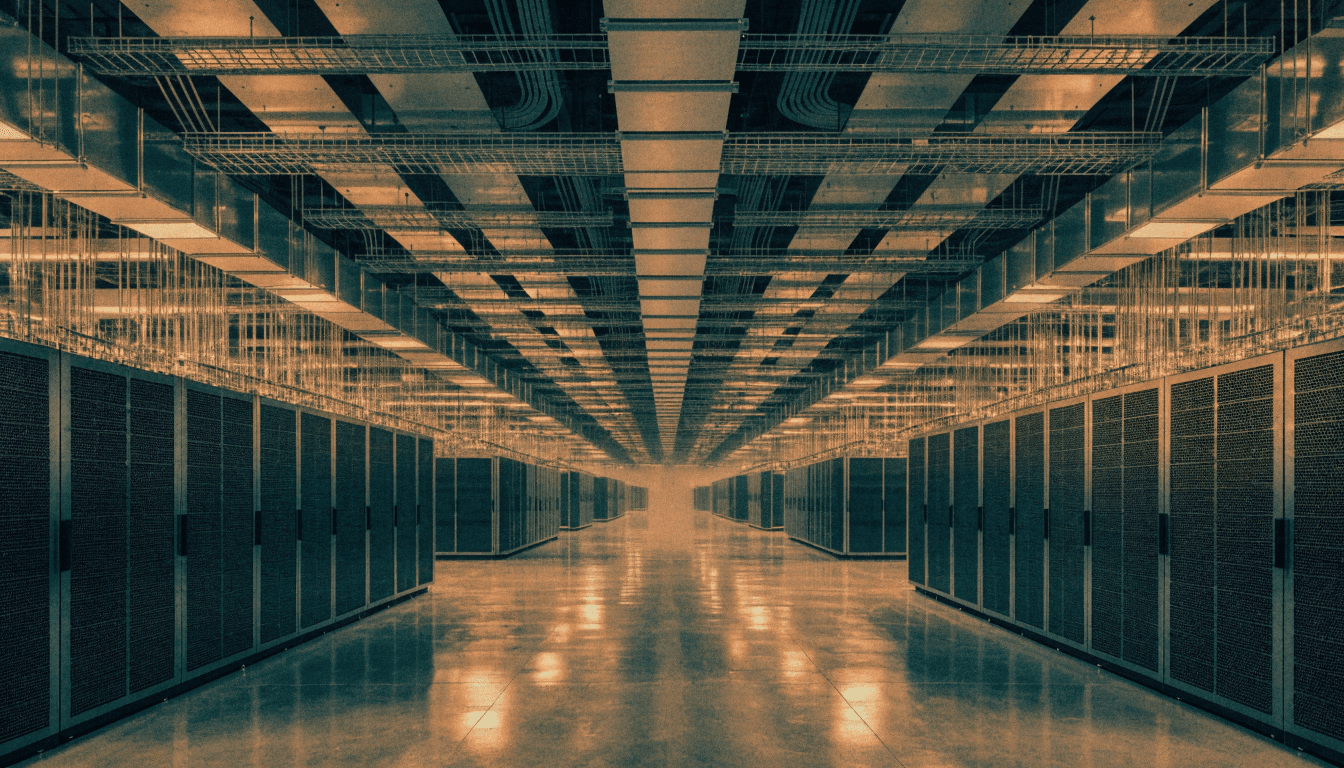
High-density compute is where power strategy and building design meet.
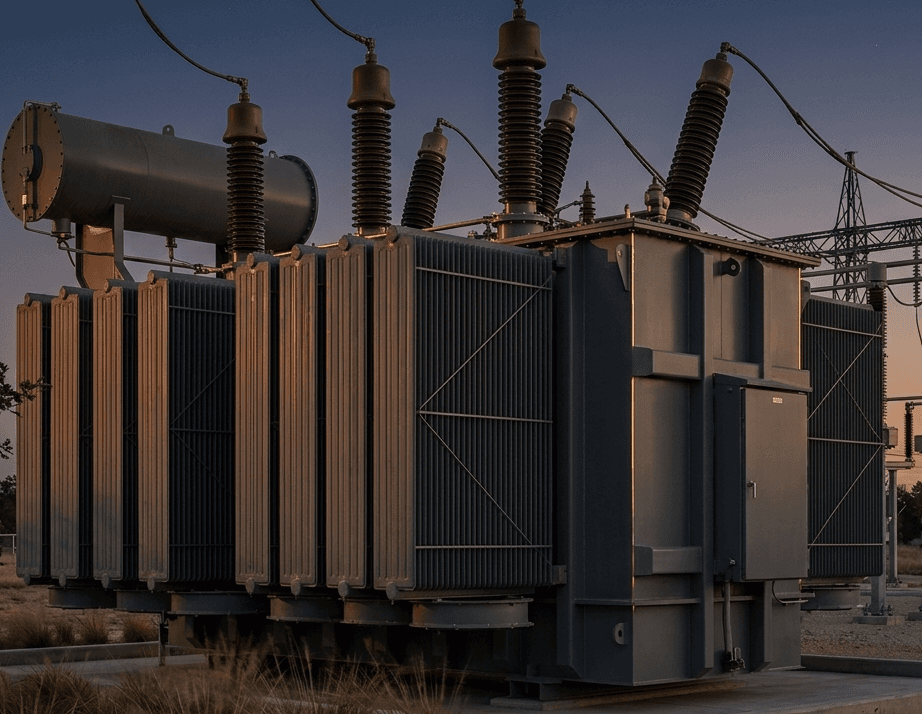
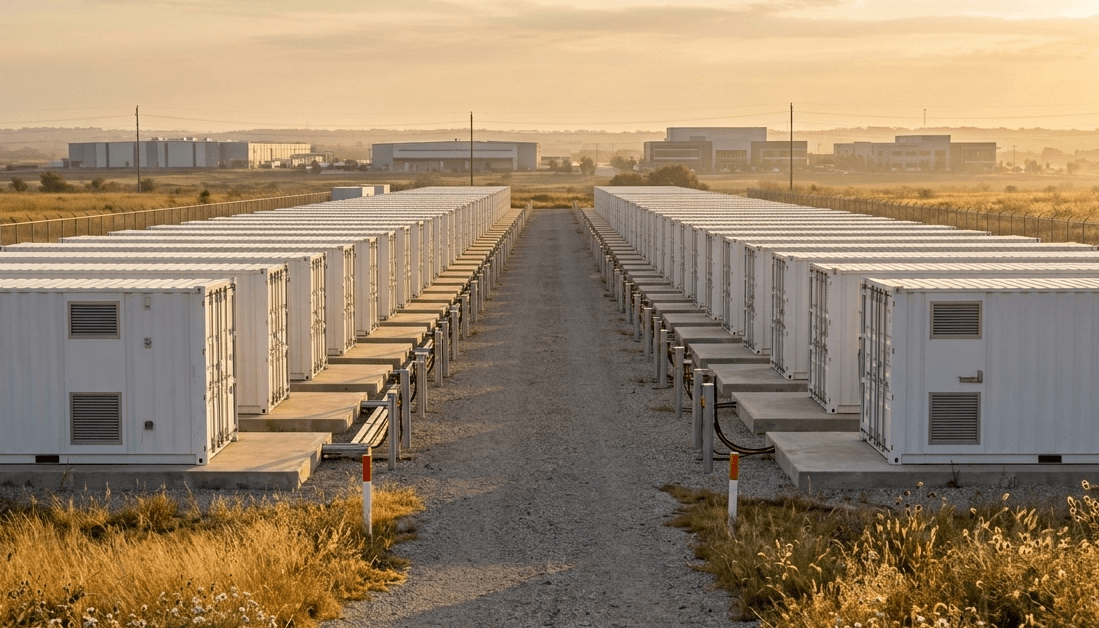
Servers drawing multiple kilowatts each concentrate load in ways legacy data center templates never anticipated — electrical distribution, redundancy, and cooling all have to be engineered around the density, not retrofitted to it. We build that way because we always have; the facilities our principals delivered ran at densities the broader industry is only now designing for.
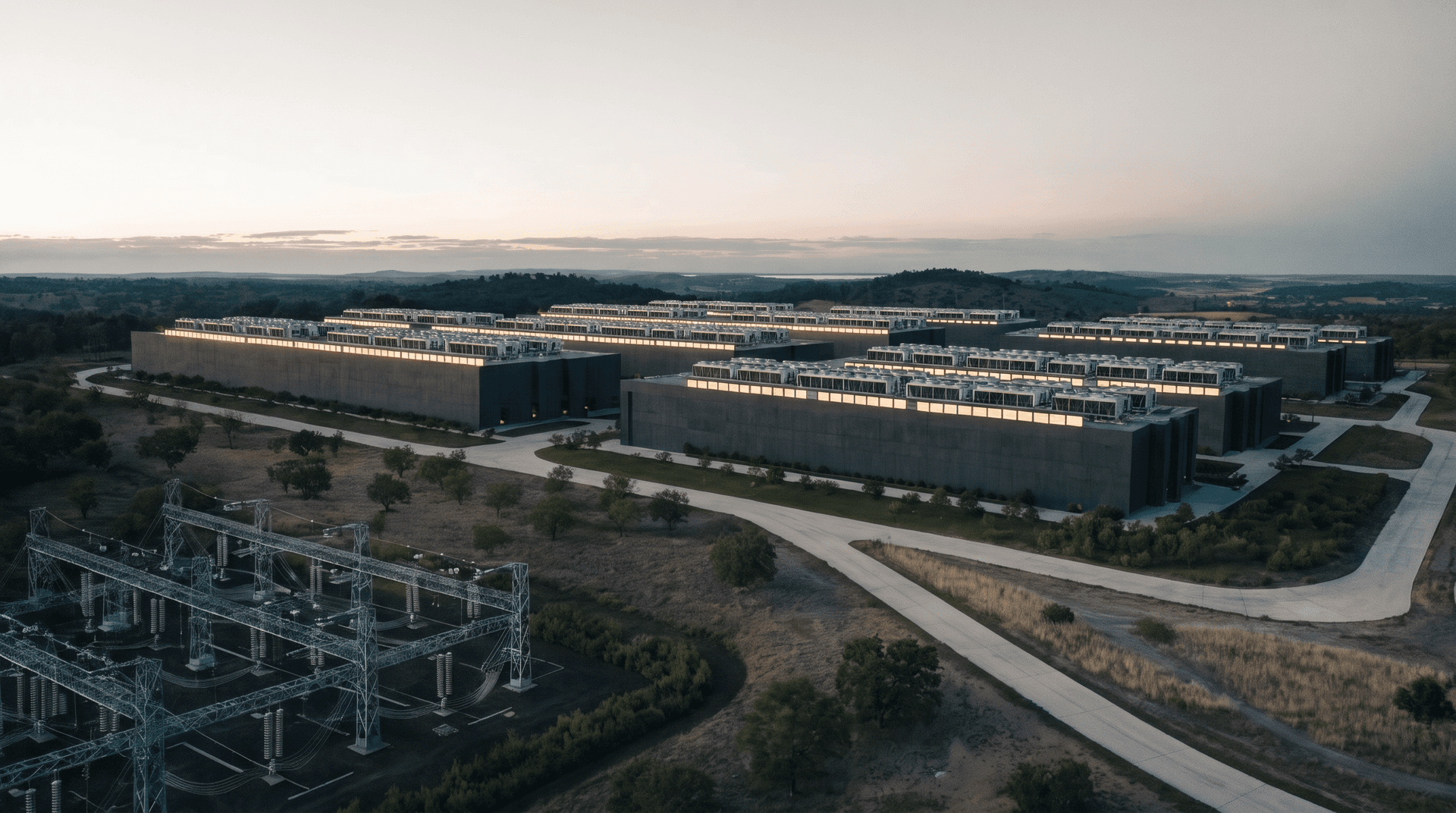
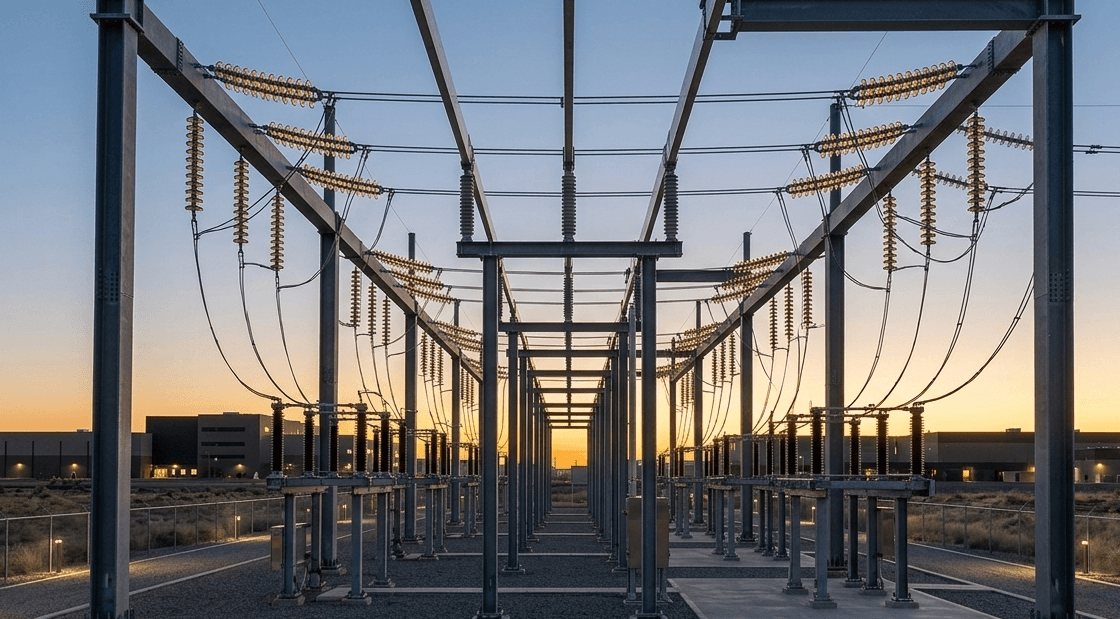
Substation · Utility-confirmed capacity at acquisition
04 — How It Shows Up
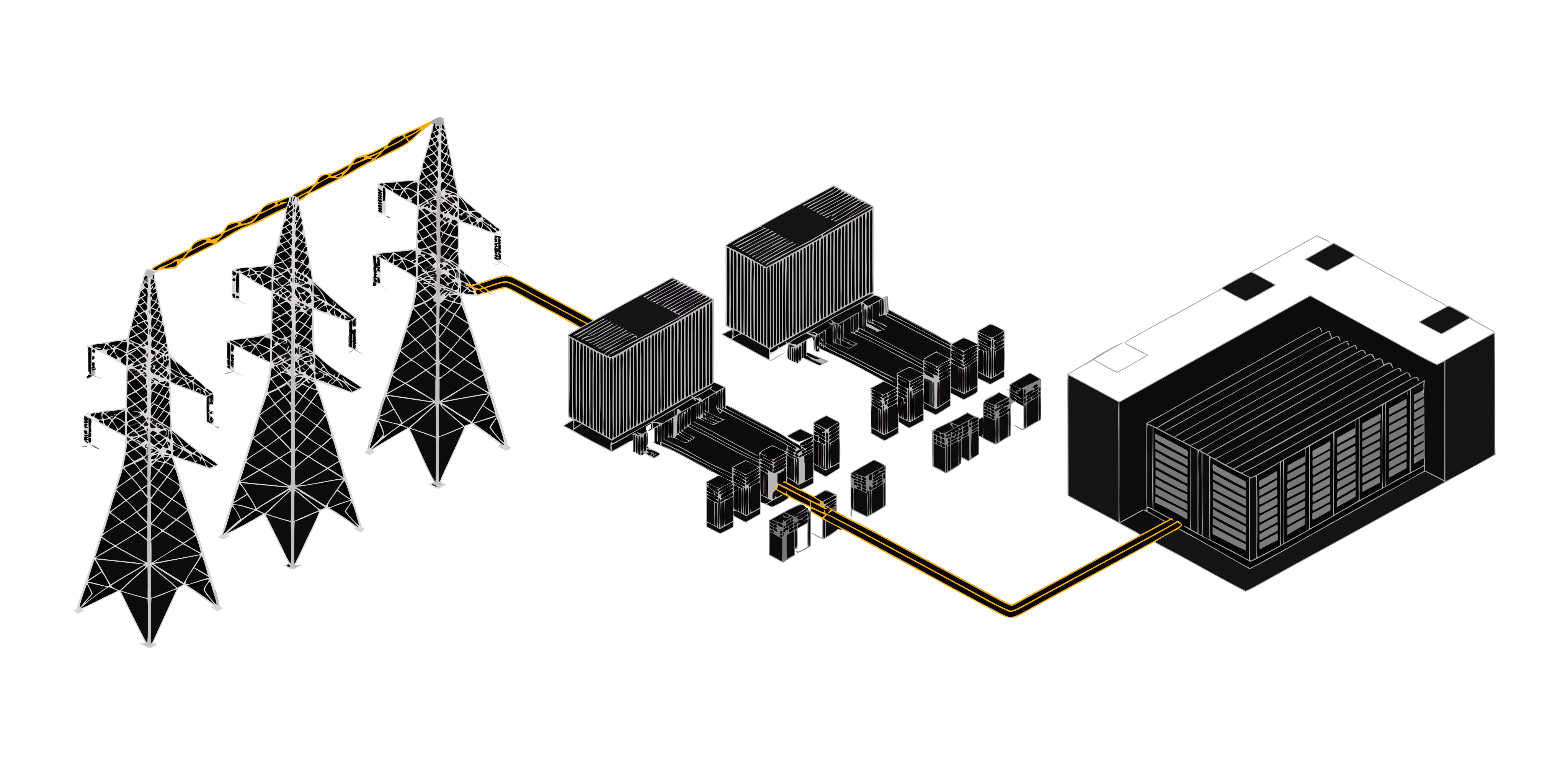
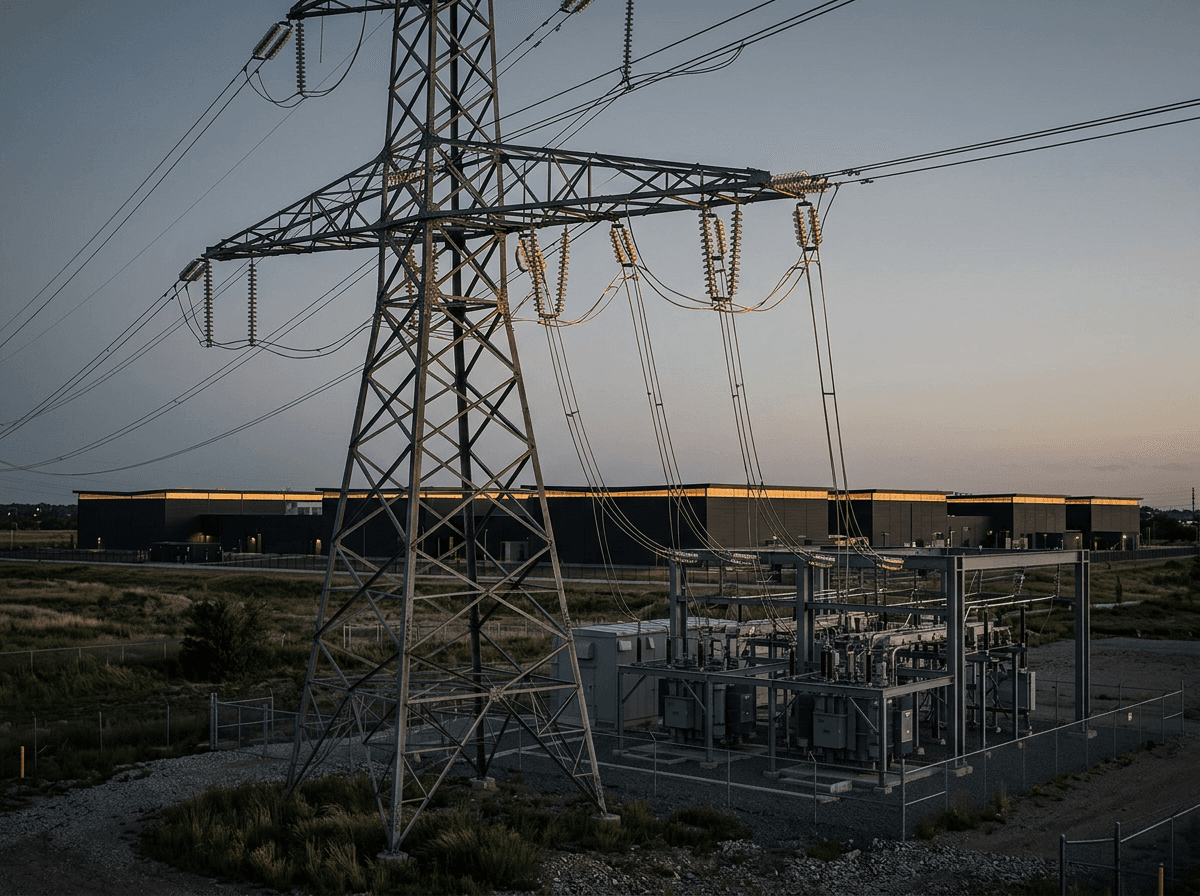
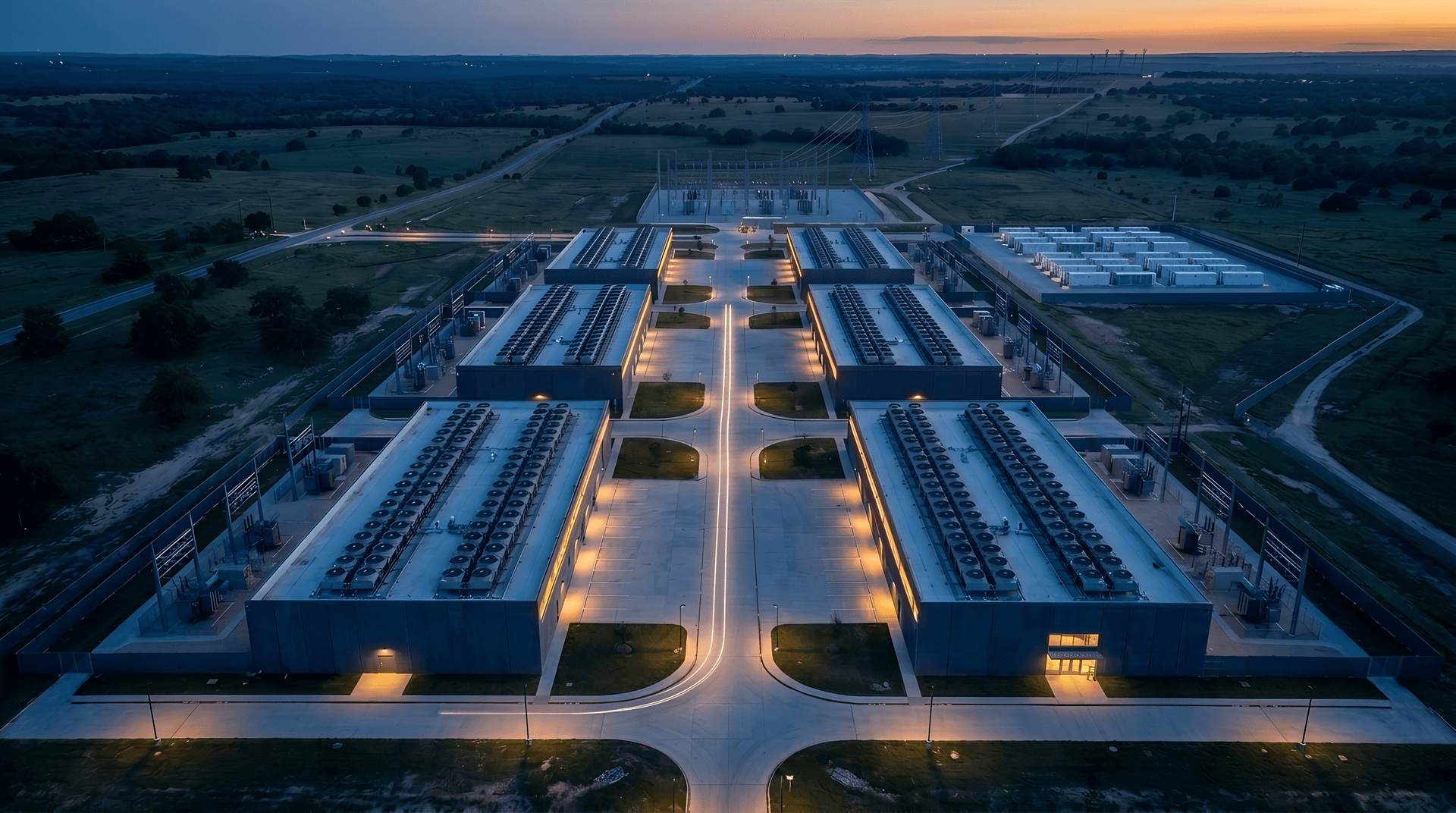
Utility-confirmed capacity at acquisition. Energization paths measured in months. Rate structures designed so our load never lands on residential bills — the discipline regulators are now writing into law, adopted here voluntarily. And an owner who runs the asset, so the power strategy that wins the lease is the same one that serves the building for thirty years.
Capacity